Palm Sunday at St. Matthias Mulumba Catholic Church Azhata and Its Wider Significance
Palm Sunday stands as one of the most solemn and symbolic celebrations in the Catholic liturgical calendar. At St. Matthias Mulumba Catholic Church Azhata, the day is marked with deep reverence, vibrant participation, and a profound sense of spiritual renewal. It is not merely a commemoration of a historical event, but a living expression of faith that unites the parish community with the universal Church.
The Meaning of Palm Sunday
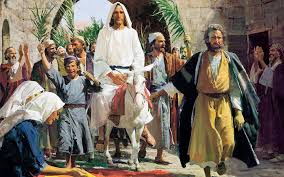
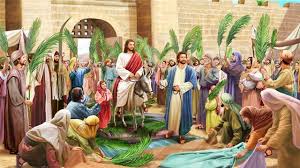
Palm Sunday commemorates the triumphant entry of Jesus Christ into Jerusalem, an event recorded in the Gospels. As Jesus entered the city riding on a donkey, crowds welcomed Him by waving palm branches and shouting “Hosanna!” This moment symbolized both celebration and prophecy — a King entering His city, yet a King who would soon face suffering and crucifixion.
In the Catholic Church, Palm Sunday marks the beginning of Holy Week, the most sacred week in the Christian year. It leads the faithful into the mysteries of Christ’s Passion, Death, and Resurrection.
Celebration at St. Matthias Mulumba Catholic Church Azhata
At St. Matthias Mulumba Catholic Church Azhata, Palm Sunday begins with the blessing of palm branches outside the church premises. Parishioners gather in large numbers, holding fresh palm fronds as the priest blesses them with holy water. The congregation then participates in a solemn procession, singing hymns of praise while moving into the church — reenacting Christ’s triumphant entry into Jerusalem.
The liturgy of the day is unique because it includes the solemn reading of the Passion narrative. This reading shifts the tone from joyful celebration to sober reflection. The faithful are reminded that the same crowd that shouted “Hosanna” would later cry “Crucify Him.” This contrast invites deep personal reflection on loyalty, faith, and commitment to Christ.
Children, youth, and various parish societies often take active roles in the celebration, strengthening community bonds and encouraging full participation in the liturgical life of the Church.
Spiritual Significance
Palm Sunday carries powerful spiritual lessons:
- Humility – Jesus entered Jerusalem not on a horse of war but on a donkey, symbolizing peace and humility.
- Faithfulness – It challenges believers to remain steadfast, not changing their allegiance in times of difficulty.
- Sacrifice and Redemption – It prepares hearts for the suffering of Christ and the hope of Easter victory.
For the faithful at St. Matthias Mulumba, the blessed palms are often taken home and kept as sacramentals, serving as reminders of Christ’s kingship and protection. These palms will later be burned to produce ashes for Ash Wednesday of the following year, symbolizing the continuity of the Church’s liturgical life.
Wider Significance in the Universal Church
Beyond Azhata, Palm Sunday unites Catholics worldwide in a shared act of worship. From villages in Nigeria to cathedrals across continents, the same Gospel is proclaimed, the same palms are blessed, and the same Passion is read. This universality reflects the unity of the Church.
Palm Sunday also speaks to society at large. It reminds humanity that true leadership is rooted not in power or dominance but in service and sacrifice. In a world often marked by division and instability, the message of Christ’s peaceful kingship remains profoundly relevant.
Conclusion
Palm Sunday at St. Matthias Mulumba Catholic Church Azhata is more than a yearly ritual; it is a sacred encounter with the mystery of Christ’s love. It calls the faithful to walk with Jesus — from triumph to trial, from suffering to resurrection. As the palms are raised in praise, hearts are also lifted in commitment, preparing the community to journey faithfully through Holy Week toward the joy of Easter.